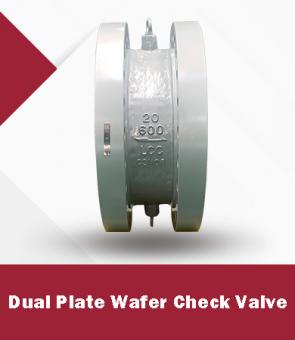
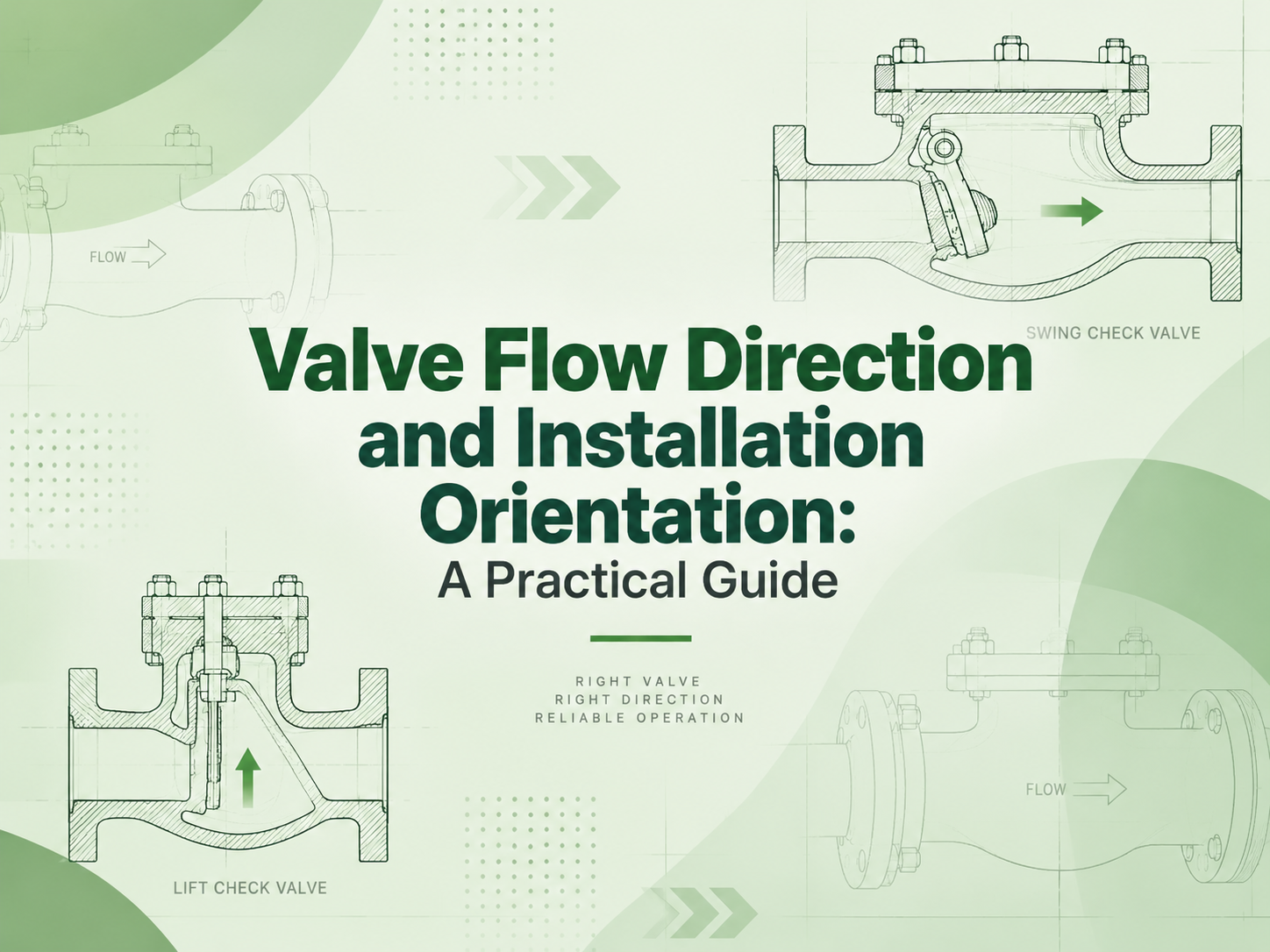
Introduction A correctly sized valve can still perform poorly when it is installed against its intended flow direction or in an orientation that prevents reliable operation. Direction concerns the way fluid passes through the valve. Orientation concerns the physical position of the body, stem, actua...
Introduction Selecting an industrial valve is not only a matter of matching the pipe size. A valve must match the function of the line, the operating pressure and temperature, the medium, the required shutoff performance, and the way the operator or actuator will use the valve over its service life....
Introduction Pressure class is one of the first details buyers see in an industrial valve specification, but it is also one of the easiest details to misunderstand. A valve marked Class 150, Class 300, Class 600, Class 800, Class 1500, or Class 2500 does not mean the valve can always work at that ex...
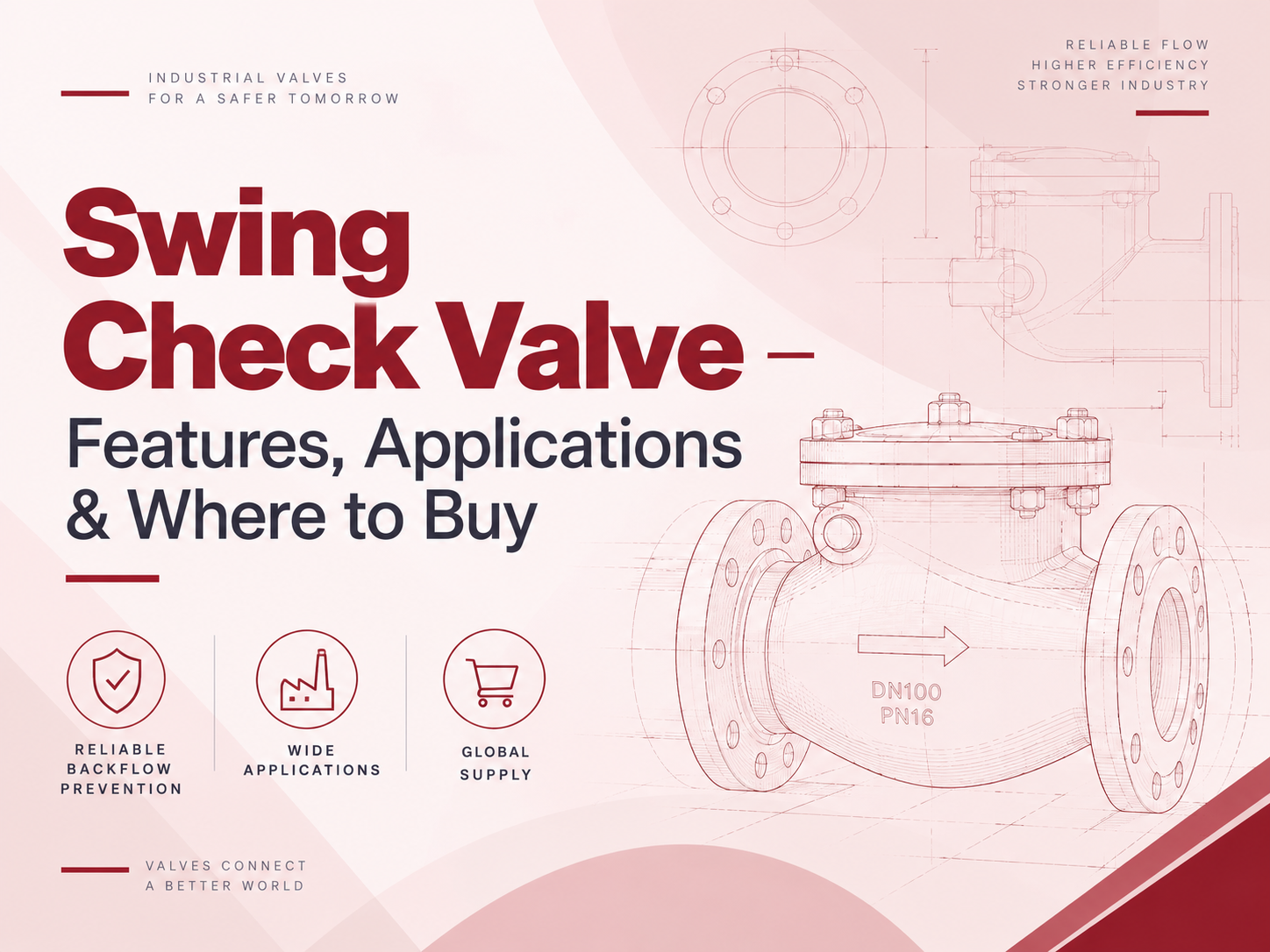
The swing check valve is one of the most popular check valve types in industrial piping. Its disc swings on a hinge or pin, opening when flow pushes it forward and closing when flow reverses or stops. Key features Low flow resistance – disc nearly parallel to flow when fully open. Suitable for large...
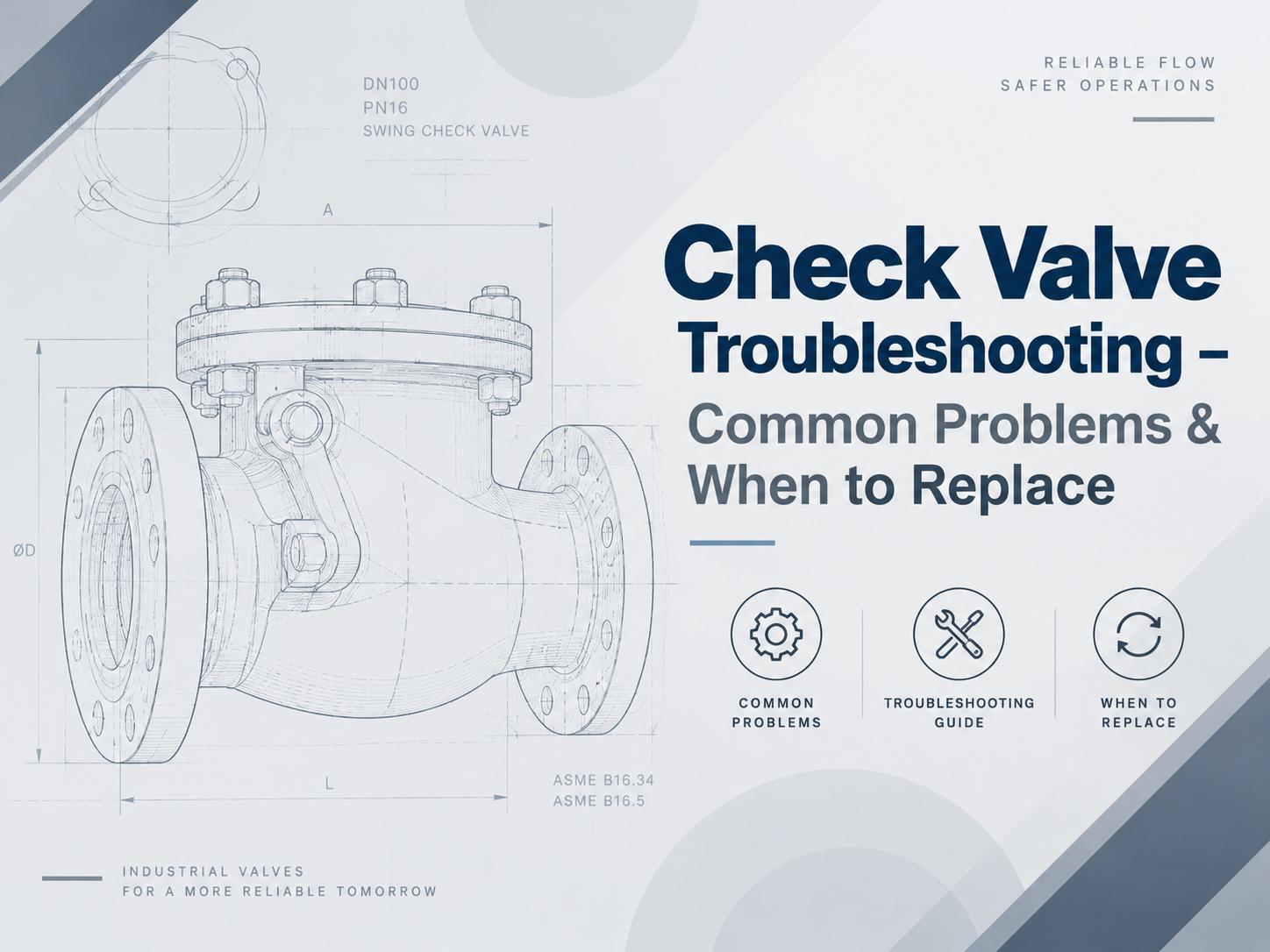
A failing check valve can cause backflow, pump damage, or system contamination. Knowing how to troubleshoot common issues helps you decide whether to repair or buy a new check valve. Here are five frequent failures and solutions. Problem 1 – Check valve leaks (does not seal) Symptoms: Fluid flows ba...
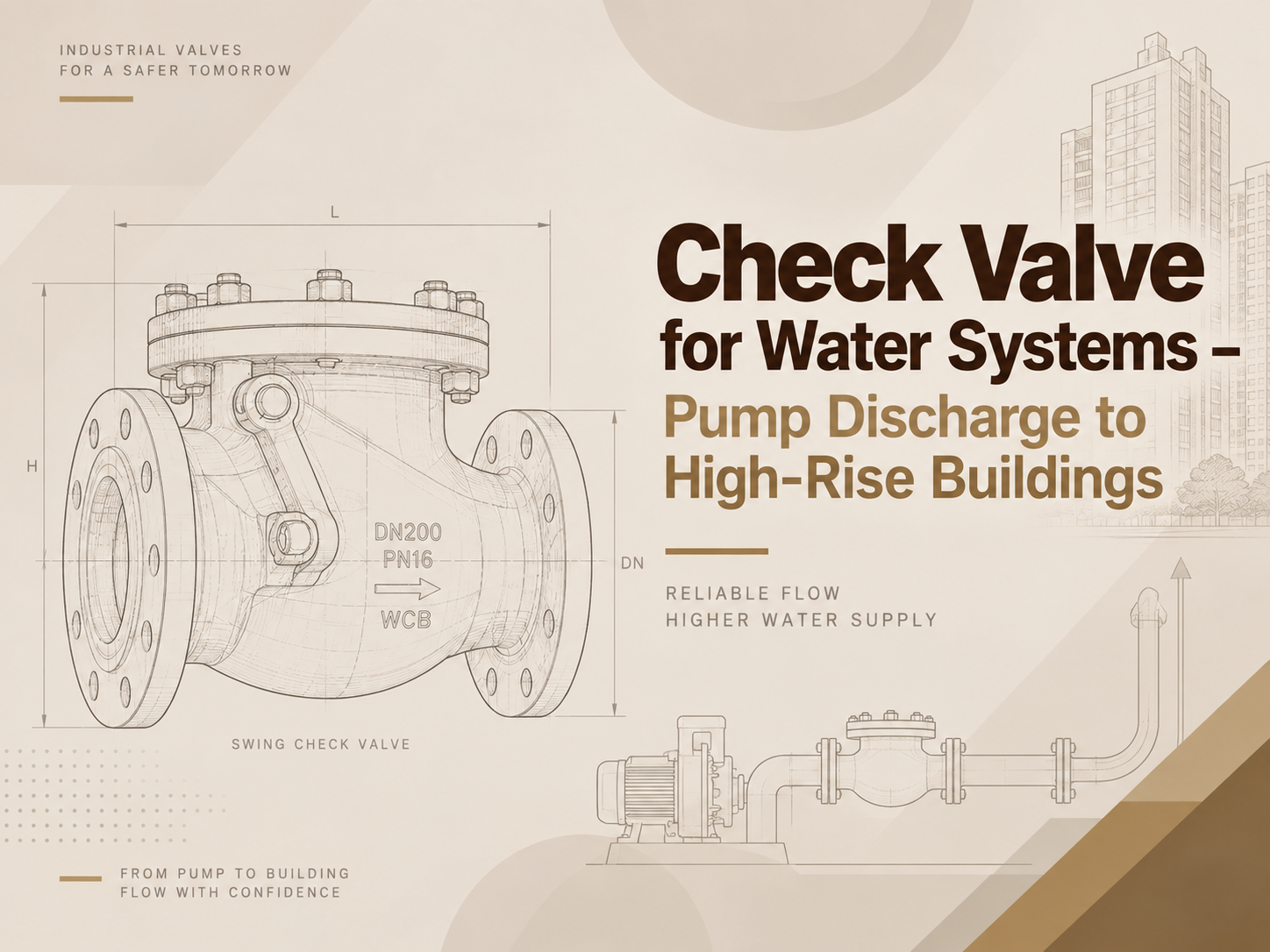
Water supply systems – from municipal pump stations to high-rise building booster sets – rely heavily on check valves. Choosing the right check valve for water prevents backflow, reduces water hammer, and ensures reliable operation. 1. Water treatment plant pump discharge Conditions: Large pipes (DN...




 Tel : 86-0592-5185-378
 Email : sales@dawalvalve.com