Selecting an industrial valve is not only a matter of matching the pipe size. A valve must match the function of the line, the operating pressure and temperature, the medium, the required shutoff performance, and the way the operator or actuator will use the valve over its service life. Three of the most common choices in process piping are gate valves, globe valves, and check valves. They may look similar from the outside, but they solve different problems.
This guide explains how to choose between them in practical engineering terms, especially for procurement teams, project engineers, maintenance teams, and distributors who need a clear selection basis before confirming a specification.
The first question is simple: what should the valve do in the system? If the valve is mainly used to start or stop flow with low pressure loss when fully open, a gate valve is usually the first option. If the valve needs to regulate or throttle flow, a globe valve is usually more suitable. If the valve must prevent reverse flow automatically, a check valve is required.
A common mistake is to choose a valve by price or availability before confirming the function. For example, using a gate valve for frequent throttling can damage the sealing surfaces and shorten service life. Using a globe valve where very low pressure drop is required may create unnecessary energy loss. Using the wrong check valve design can lead to water hammer, disc slamming, or unstable operation.
Gate valves are designed for fully open or fully closed service. When the gate is lifted out of the flow path, the valve provides a relatively straight flow passage. This makes gate valves useful for isolation duties in water, steam, oil, gas, petrochemical, power, and general industrial systems.
Gate valves are usually not recommended for precise flow control. Partial opening can cause vibration, erosion, and wear on the gate and seat. If the line needs regular adjustment, a globe valve or control valve should be considered instead.
Globe valves use a disc and seat arrangement that changes the flow path inside the body. This creates higher pressure drop than a gate valve, but it also gives better control over flow. Globe valves are often selected for steam lines, cooling water systems, bypass lines, drain lines, sampling systems, and services where operators need more accurate adjustment.
For a globe valve, flow direction matters. Many designs have a preferred flow direction marked on the body. Installing the valve in the wrong direction can affect shutoff, packing load, noise, and operating torque.
Check valves open with forward flow and close when flow reverses or stops. They protect pumps, compressors, meters, and upstream equipment from backflow. The main selection points are flow velocity, installation position, closing behavior, and the risk of water hammer.
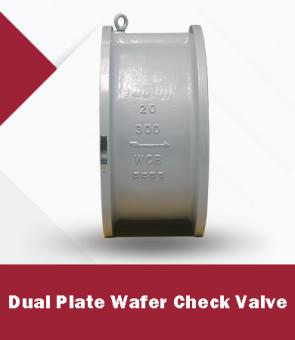
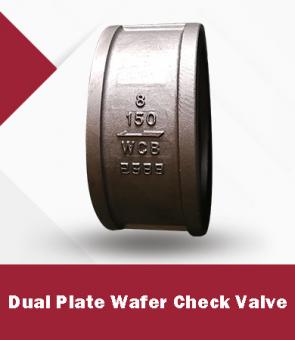
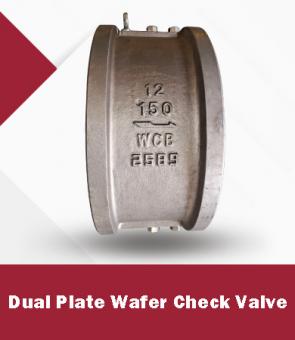
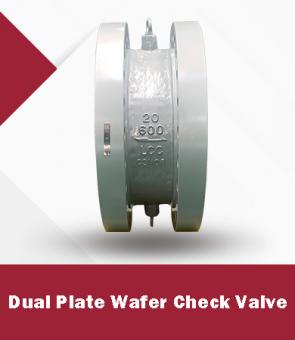
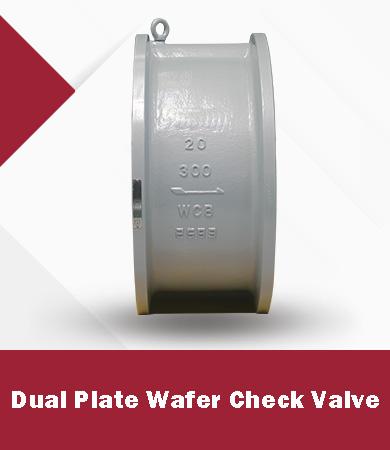
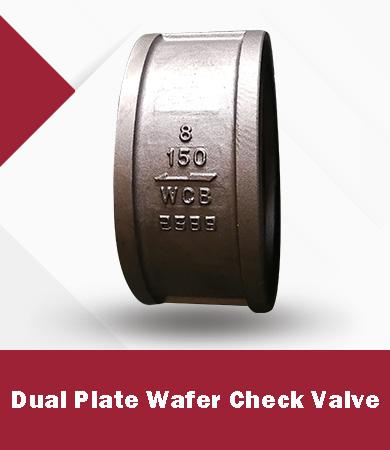
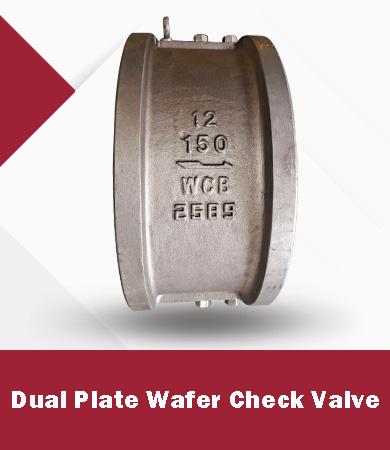
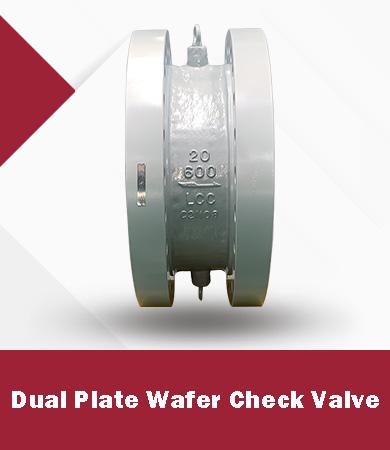
Swing check valves are common in larger lines with steady flow. Lift check valves are often used in smaller or high-pressure lines. Dual plate and axial check valves may be selected when quick closing, compact installation, or reduced water hammer risk is important.

Pressure class: Confirm the required pressure rating according to the piping specification and applicable standards. The valve rating must cover the design pressure at the actual operating temperature, not only the room-temperature pressure class.
Temperature: High temperature service may require suitable body material, bolting, packing, gasket, and trim. Low temperature or cryogenic service requires special material and testing considerations.
Medium: Water, steam, oil, gas, slurry, corrosive chemicals, sour service, and oxygen service can require different materials, sealing structures, cleaning, or documentation.
Material compatibility: Carbon steel, stainless steel, alloy steel, duplex stainless steel, and special alloys should be selected according to corrosion risk, temperature, and project specification.
End connection: Flanged, butt weld, socket weld, and threaded ends are selected according to pipe size, pressure, leakage risk, maintenance needs, and installation practice.
Operation: Manual handwheel operation may be enough for small sizes and low torque. Gear operation, pneumatic actuation, electric actuation, or hydraulic actuation may be needed for larger valves or remote control.
Maintenance access: A valve should not only fit the pipe; it should also be maintainable. Consider handwheel clearance, actuator access, bonnet removal space, and whether the valve can be isolated for service.
- Define the valve function: isolation, throttling, non-return, control, or emergency shutdown.
- Confirm design pressure, design temperature, and normal operating conditions.
- Identify the medium and any corrosion, erosion, toxicity, flammability, or cleanliness requirements.
- Select body material, trim, seat, packing, gasket, and bolting according to the service.
- Confirm end connection, face-to-face dimension, flow direction, and installation position.
- Check testing, inspection, certification, and documentation requirements before ordering.
- Review maintenance access, spare parts, and expected operating frequency.
One frequent mistake is using the valve size alone as the selection basis. A 2 inch valve can be built in many pressure classes, materials, trims, and end connections. Another mistake is ignoring temperature when checking pressure rating. A valve suitable at ambient temperature may not be suitable at elevated temperature. Buyers should also avoid replacing a specified valve type without checking the function of the line.
Can a gate valve be used for throttling?
It can physically be partially opened, but it is generally not recommended for regular throttling because seat and gate wear can increase quickly.
When should I choose a globe valve instead of a gate valve?
Choose a globe valve when the line requires frequent flow adjustment, throttling, or more controlled operation.
How do I choose the right check valve?
Check the flow rate, pipe orientation, closing speed, pressure drop allowance, and water hammer risk. The best design depends on the actual piping system.
Is material more important than pressure class?
Both matter. Pressure class tells you the pressure-temperature capability, while material determines corrosion resistance, strength, and suitability for the medium.
Tel: 86-0592-5185-378
Whatsapp :+86 199 9681 0137
Email : sales@dawalvalve.com



Friendly Links :

 Tel : 86-0592-5185-378
 Email : sales@dawalvalve.com