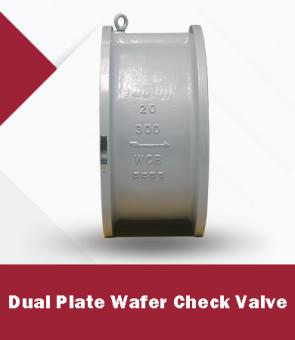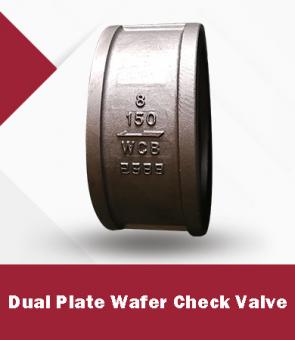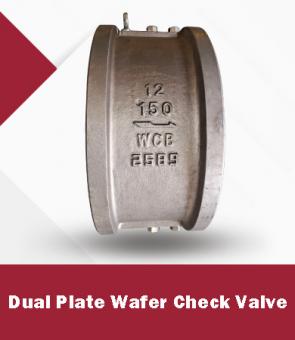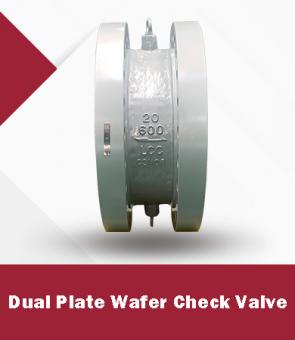
Introduction
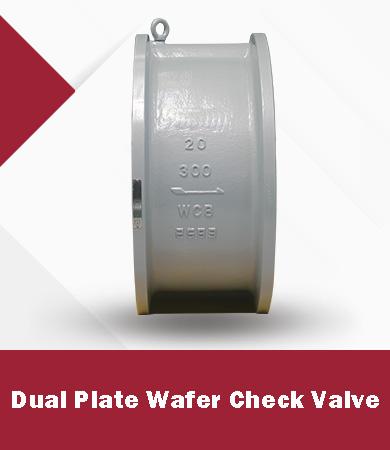
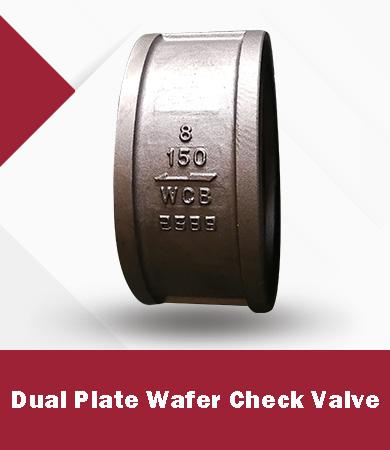
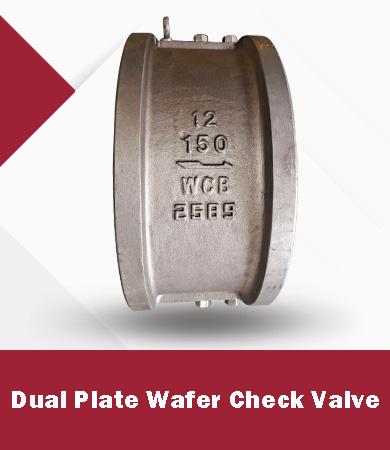
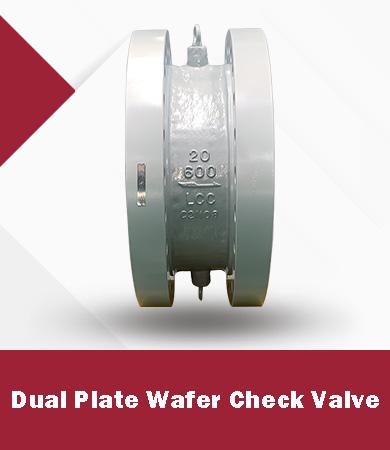
Pressure class is one of the first details buyers see in an industrial valve specification, but it is also one of the easiest details to misunderstand. A valve marked Class 150, Class 300, Class 600, Class 800, Class 1500, or Class 2500 does not mean the valve can always work at that exact pressure under every temperature and media condition. The usable pressure depends on the valve material, design standard, and operating temperature.
This guide explains how to read pressure class in practical selection work, especially when comparing gate valves, globe valves, check valves, ball valves, and forged steel valves for industrial piping systems.
What Does Valve Pressure Class Mean?
Valve pressure class is a rating system used to describe the pressure-temperature capability of a valve. In many international projects, ASME pressure classes are widely used. Common classes include 150, 300, 600, 800, 900, 1500, and 2500. The higher the class, the higher the pressure capability in general, but the final allowable pressure still depends on temperature and material.
For example, a carbon steel valve and a stainless steel valve may both be marked Class 300, but their allowable pressure at elevated temperature may not be identical. That is why selection should be checked against the applicable pressure-temperature rating table instead of using class numbers alone.
Pressure Class Is Not a Fixed PSI Value
A common mistake is assuming Class 300 means 300 psi or Class 600 means 600 psi. That is not how ASME pressure classes work. The class number is a designation, not a direct working pressure for all conditions. Depending on material and temperature, the allowable working pressure may be higher or lower than what a buyer expects from the number alone.
This matters in steam, thermal oil, refinery, petrochemical, power, and high-temperature services. If temperature increases, allowable pressure often decreases. A valve that is acceptable at ambient temperature may not meet the design pressure at high temperature.
The Role of Material
Material selection affects both corrosion resistance and pressure-temperature capability. Carbon steel such as WCB or A105 is widely used in general industrial service. Stainless steels such as CF8, CF8M, F304, and F316 are used when corrosion resistance is required. Alloy steels may be required for elevated temperature or special process conditions.
When confirming valve pressure class, buyers should provide the body material, design temperature, design pressure, medium, and applicable standard. Without those details, a supplier can only provide a general recommendation, not a final engineering selection.
Pressure Rating vs. Seat Leakage and Testing
Pressure class tells you the pressure-temperature capability of the valve body and pressure-containing parts. It does not automatically define the leakage class, seat material, fire-safe design, fugitive emission requirement, or special test scope. Those requirements should be specified separately when needed.
For example, a valve may pass shell and seat tests according to the required inspection standard, but if the process requires very tight shutoff, soft seat design, metal seat design, or special leakage criteria should be reviewed before ordering.
Selection Checklist
- Confirm design pressure and design temperature.
- Confirm normal operating pressure and temperature.
- Select valve body material according to medium and corrosion risk.
- Check pressure-temperature rating against the applicable standard.
- Confirm end connection, size, face-to-face dimension, and flow direction.
- Confirm test standard, leakage requirement, and documentation.
- Avoid replacing pressure class or material without engineering review.
FAQ
Is Class 300 equal to 300 psi?
No. Class 300 is a pressure class designation. The actual allowable pressure depends on material and temperature.
Why does allowable pressure decrease at high temperature?
Material strength can decrease as temperature rises, so pressure-temperature rating tables reduce allowable pressure accordingly.
What information should I send for valve selection?
Send valve type, size, pressure class, material, medium, design pressure, design temperature, end connection, and applicable standard.
Tel: 86-0592-5185-378
Whatsapp :+86 199 9681 0137
Email : sales@dawalvalve.com



Friendly Links :

 Tel : 86-0592-5185-378
 Email : sales@dawalvalve.com